The Way Maker Miracle Worker Bible verse refers to scriptural passages that describe God’s supernatural ability to create paths through impossible situations and perform miracles that transcend natural laws. These biblical references, particularly Isaiah 43:19 and John 14:6, form the theological foundation for one of Christianity’s most powerful worship declarations.
Nigerian gospel artist Sinach released “Way Maker” in 2015, and it exploded into a global phenomenon that topped charts across continents. The song’s profound impact stems from ancient scripture that’s transformed lives for millennia, proving that truth wrapped in worship resonates across cultures and generations.
Behind every lyric lies a deep biblical narrative—from God parting the Red Sea to Jesus raising Lazarus from death. Understanding these scripture roots reveals why millions sing these words during their darkest moments, trusting the same divine intervention that sustained the Israelites through the wilderness still operates today.
The Biblical DNA: Where These Sacred Names Actually Come From
Way Maker: God Carving Paths Through Impossibility
The phrase “Way Maker” isn’t randomly chosen. It comes directly from Isaiah 43:16-19, one of scripture’s most vivid passages about divine intervention.
Here’s what the prophet wrote:
“This is what the LORD says—he who made a way through the sea, a path through the mighty waters… See, I am doing a new thing! Now it springs up; do you not perceive it? I am making a way in the wilderness and streams in the wasteland.”
Think about the context. The Israelites faced the Red Sea with Pharaoh’s army closing in behind them. No boats. No bridge. no escape route visible to human eyes. Yet God didn’t just suggest they swim—He literally split water and created dry ground. That’s the original “way maker” moment captured in Exodus 14.
But Isaiah references something bigger. He’s telling exiled Jews that the same God who parted seas will make paths through their current wilderness. When your situation looks like a dead end, He specializes in creating divine paths nobody saw coming.
Isaiah 35:8-10 adds another layer:
“And a highway will be there; it will be called the Way of Holiness… But only the redeemed will walk there.”
This isn’t about physical roads. It’s spiritual guidance toward eternal life. God doesn’t just make temporary fixes—He creates lasting routes to restoration and healing.
Miracle Worker: Scripture’s Testimony of Supernatural Power
The title “Miracle Worker” appears throughout both Old Testament and New Testament writings. Let’s trace this thread.
Exodus 15:11 records Moses’ song after crossing the Red Sea:
“Who among the gods is like you, LORD? Who is like you—majestic in holiness, awesome in glory, working wonders?”
The Hebrew word for “wonders” here is pele—something beyond natural explanation. It’s the same term used when describing Christ’s birth, resurrection, and healing miracles.
Psalm 77:14 declares boldly:
“You are the God who performs miracles; you display your power among the peoples.”
David wrote this during personal crisis. He’s reminding himself—and us—that God’s omnipotence isn’t theoretical. It’s demonstrated through supernatural acts that defy logic.
Fast forward to the New Testament. Acts 2:22 describes Jesus this way:
“Jesus of Nazareth was a man accredited by God to you by miracles, wonders and signs, which God did among you through him.”
The pattern stays consistent. From parting seas to the resurrection of Lazarus, scripture overflows with evidence of divine intervention breaking natural laws.
| Biblical Miracle | Scripture Reference | Type of Intervention |
|---|---|---|
| Red Sea Parting | Exodus 14:21-22 | Nature controlled |
| Water from Rock | Exodus 17:6 | Provision in wilderness |
| Lazarus Raised | John 11:43-44 | Power over death |
| Blind Man Healed | John 9:6-7 | Physical restoration |
| Feeding 5,000 | John 6:11-13 | Multiplication of resources |
Jesus: The Ultimate Way Maker
John 14:6 gives us the most direct connection between Christ and the “way maker” concept:
“Jesus answered, ‘I am the way and the truth and the life. No one comes to the Father except through me.'”
Thomas had just asked Jesus how they could know the way to where He was going. Jesus didn’t offer directions. He said, “I am the way.”
This isn’t metaphorical. Before Christ, humans couldn’t approach God directly. The temple had a thick curtain separating people from the Holy of Holies. When Jesus died, Matthew 27:51 records that curtain tearing from top to bottom—divine action creating access where barriers once stood.
Hebrews 10:19-20 explains it beautifully:
“Therefore, brothers and sisters, since we have confidence to enter the Most Holy Place by the blood of Jesus, by a new and living way opened for us through the curtain, that is, his body…”
Jesus literally made a spiritual path to eternal life. That’s way making at cosmic scale.
Additional Biblical Titles That Amplify God’s Character

Promise Keeper
Numbers 23:19 states:
“God is not human, that he should lie, not a human being, that he should change his mind. Does he speak and then not act? Does he promise and not fulfill?”
Every promise in scripture finds its “yes” in Christ (2 Corinthians 1:20). When Joshua led Israel into the Promised Land, Joshua 21:45 notes: “Not one of all the LORD’s good promises to Israel failed; every one was fulfilled.”
That’s a track record worth trusting.
Light in the Darkness
Psalm 27:1 opens with confidence:
“The LORD is my light and my salvation—whom shall I fear?”
Jesus claimed this identity in John 8:12: “I am the light of the world. Whoever follows me will never walk in darkness, but will have the light of life.”
When everything around you feels pitch black, He provides spiritual guidance through the darkest wilderness.
Old Testament Accounts: Way Making in Action
The Red Sea Crossing: Trust When You Can’t See the Path
Exodus 14 captures one of history’s most dramatic moments. Picture this: Former slaves trapped between water and warriors. Panic spreading. Children crying. Then Moses speaks:
“Do not be afraid. Stand firm and you will see the deliverance the LORD will bring you today.”
God told Moses to raise his staff. Wind blew all night. By morning, a divine path appeared through standing walls of water. This wasn’t gradual drying—it was supernatural transformation of natural elements.
Key lesson: Sometimes God doesn’t calm your storm. He walks you straight through it on dry ground while holding back the chaos on both sides.
Provision in the Wilderness: Daily Miracles for 40 Years
Exodus 16-17 documents an often-overlooked miracle: everyday faith sustained through consistent divine intervention.
- Manna appeared six mornings per week for four decades
- Water flowed from rocks when communities grew desperate
- Clothes and sandals didn’t wear out (Deuteronomy 29:5)
That’s approximately 14,600 mornings of breakfast appearing from heaven. Talk about a Miracle Worker handling daily needs!
Jericho’s Walls: Unconventional Victory
Joshua 6 describes God’s battle strategy for conquering Jericho: Walk around the city for seven days, then shout.
No battering rams. No siege towers. Just faith that divine guidance would produce results human strength couldn’t achieve.
Walls fell flat without anyone pushing them. Archaeologists have debated this event for centuries, but the biblical narrative stands: God makes ways through obstacles that seem permanent.
New Testament Demonstrations: Jesus the Miracle Worker
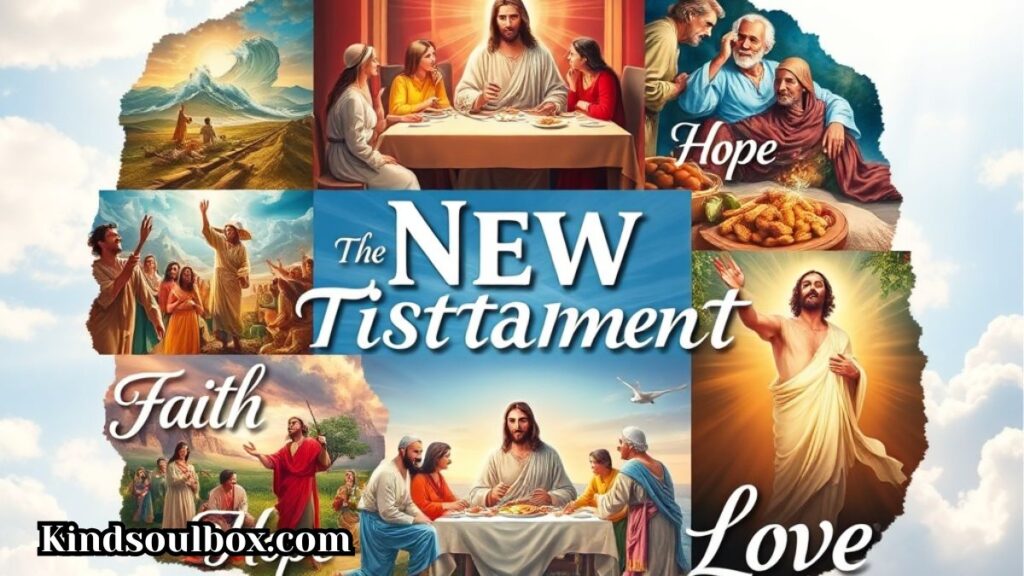
Nature Miracles: Authority Over Creation
Mark 4:35-41 records Jesus sleeping through a storm that terrified experienced fishermen. They woke Him in panic. His response?
“Quiet! Be still!”
Wind and waves obeyed immediately. The disciples asked each other: “Who is this? Even the wind and the waves obey him!”
Divine possibilities include commanding natural forces to cooperate with God’s purposes.
Matthew 14:22-33 shows Jesus walking on water—literally defying gravity and physics. When Peter tried joining Him, he succeeded briefly through faith before doubt sank him.
John 6:1-14 documents Christ feeding over 5,000 people with five loaves and two fish. Not through rationing, but through supernatural multiplication. Twelve baskets of leftovers remained after everyone ate their fill.
Healing Miracles: Restoration and Hope
Mark 2:1-12 tells of friends lowering a paralyzed man through a roof because the crowd blocked the door. Jesus saw their faith and said, “Son, your sins are forgiven.”
Religious leaders questioned His authority. So Jesus added: “Get up, take your mat and go home.”
The man walked out. Healing proved His power to forgive—addressing both physical and spiritual needs.
Mark 10:46-52 features blind Bartimaeus shouting from the roadside despite people telling him to shut up. Jesus stopped and asked what he wanted.
“Rabbi, I want to see.”
Simple request. Immediate restoration: “Go, your faith has healed you.”
Bartimaeus followed Jesus down the road, sight restored.
Luke 8:43-48 describes a woman who’d suffered bleeding for twelve years. She’d spent everything on doctors with no improvement. She touched Jesus’ cloak in a crowd, believing even that contact would bring healing.
Power left Him immediately. He asked who touched Him—not to shame her, but to celebrate her faith publicly: “Daughter, your faith has healed you. Go in peace.”
Resurrection Power: Victory Over Death
John 11 records Lazarus dying while Jesus delayed coming. By the time He arrived, Lazarus had been dead four days—past the point Jews believed the soul lingered near the body.
Jesus wept at the tomb. Then He commanded: “Lazarus, come out!”
The dead man walked out, still wrapped in burial cloths.
Martha had said earlier: “Lord, if you had been here, my brother would not have died.”
Jesus responded: “I am the resurrection and the life. The one who believes in me will live, even though they die.”
That’s omnipotence demonstrated—the Miracle Worker showing authority over humanity’s greatest enemy.
Mark 5:21-43 interweaves two stories. While Jesus traveled to heal Jairus’ sick daughter, the bleeding woman interrupted Him. During that delay, messengers arrived saying the girl died.
Jesus told Jairus: “Don’t be afraid; just believe.”
At the house, mourners already wailed. Jesus said she was sleeping. They laughed at Him. He took her hand and said, “Little girl, I say to you, get up!”
She stood immediately and started walking.
And of course, Christ’s own resurrection (Matthew 28) proved His power wasn’t borrowed or temporary. Death couldn’t hold the Way Maker who opened the path to eternal life.
Theological Implications: What These Names Mean for Believers
God’s Unchanging Character
Malachi 3:6 declares: “I the LORD do not change.”
Hebrews 13:8 applies this to Christ: “Jesus Christ is the same yesterday and today and forever.”
The God who made ways through the Red Sea for Israelites is the same One operating in your circumstances today. His character doesn’t shift with cultural trends or time periods.
Faith’s Role in Experiencing Divine Power
Matthew 17:20 records Jesus saying:
“Truly I tell you, if you have faith as small as a mustard seed, you can say to this mountain, ‘Move from here to there,’ and it will move. Nothing will be impossible for you.”
Faith isn’t pretending problems don’t exist. It’s trusting God’s omnipotence exceeds those problems.
James 5:15 promises: “And the prayer offered in faith will make the sick person well; the Lord will raise them up.”
Hebrews 11:6 adds: “And without faith it is impossible to please God, because anyone who comes to him must believe that he exists and that he rewards those who earnestly seek him.”
When God Says “Wait” or “Different”
Paul asked God three times to remove his “thorn in the flesh” (2 Corinthians 12:7-9). The answer? No—but grace sufficient for the struggle.
Sometimes God demonstrates His power through sustaining us in hardship rather than removing it immediately. That’s still divine intervention, just not the type we prefer.
Romans 8:28 offers this assurance:
“And we know that in all things God works for the good of those who love him, who have been called according to his purpose.”
The ultimate plan may involve routes we wouldn’t choose. But the Way Maker sees the entire map while we see only the current bend in the road.
Modern Application: Living as People Who Know the Way Maker
Practical Faith in Everyday Crises
Everyday faith means applying spiritual awareness to real situations:
- Financial impossibilities: Job loss, unexpected bills, mounting debt
- Health emergencies: Diagnoses that terrify, chronic pain, mental struggles
- Relationship breakdowns: Marriages crumbling, family divisions, betrayal
- Career dead-ends: Doors slamming shut, dreams delayed, purpose unclear
When facing these life’s hurdles, remember God specializes in making ways where logic sees only walls.
Cultivating Expectant Faith
Joshua 4 describes God commanding the Israelites to stack stones as memorials after crossing the Jordan River. Why? So future generations would ask about them and hear testimonies of God’s faithfulness.
Practical steps for building personal reflection habits:
- Journal answered prayers to create your own memorial stones
- Declare scripture aloud during morning routines
- Share testimonies in community settings for witnessing
- Practice gratitude daily to recognize divine guidance already present
- Meditate on past transformations God brought when situations seemed hopeless
Worship as Warfare
2 Chronicles 20 records King Jehoshaphat facing invasion by vast armies. His strategy? Put the worship choir in front of the troops.
As they sang praises to God, the enemy armies turned on each other. Victory came through declaring God’s character, not through conventional military tactics.
Acts 16:25-26 shows Paul and Silas singing hymns in prison at midnight. An earthquake shook the foundations, chains fell off, and doors opened.
Worship isn’t escape from reality—it’s engaging spiritual realities that shift physical circumstances.
Common Misconceptions and Biblical Corrections
The Prosperity Gospel Trap
Some teachings suggest faith automatically produces health, wealth, and comfort. But scripture never promises constant ease.
John 16:33 records Jesus saying: “In this world you will have trouble. But take heart! I have overcome the world.”
Trouble is guaranteed. Victory is also guaranteed—but not always on our preferred timeline.
James 1:2-4 even suggests trials produce perseverance and maturity: “Consider it pure joy, my brothers and sisters, whenever you face trials of many kinds, because you know that the testing of your faith produces perseverance.”
“Name It and Claim It” vs. Biblical Asking
John 15:7 explains prayer that works: “If you remain in me and my words remain in you, ask whatever you wish, and it will be done for you.”
Notice the condition: remaining in Christ and His words shaping your desires. That’s vastly different from demanding God fulfill wishes disconnected from His ultimate plan.
1 John 5:14 clarifies: “This is the confidence we have in approaching God: that if we ask anything according to his will, he hears us.”
Prayer aligns our hearts with God’s purposes, not the reverse.
When God Says “Not Yet”
Jesus in Gethsemane prayed: “Father, if you are willing, take this cup from me; yet not my will, but yours be done” (Luke 22:42).
Even Christ submitted to painful pathways when they served higher purpose.
Trust without immediate evidence defines biblical faith. Hebrews 11:1 says: “Now faith is confidence in what we hope for and assurance about what we do not see.”
Praying Scripture: Using These Verses in Prayer
Transform these Bible verse passages into personal testimony through prayer:
Isaiah 43:19 prayer: “Lord, You promise to do a new thing, making ways in my wilderness and streams in my wasteland. I’m standing in that desert right now. Open my eyes to see the divine path You’re creating. Help me trust Your spiritual guidance even when I can’t trace Your methods.”
Ephesians 3:20 declaration: “Father, You’re able to do immeasurably more than I can ask or imagine, according to Your power working in me. I release my limited vision and embrace divine possibilities beyond what I’ve dared hope.”
Jeremiah 32:27 reminder: “God, You asked, ‘Is anything too hard for me?’ The answer is no. Nothing’s too difficult for the Miracle Worker. This situation overwhelming me? It’s within Your capabilities. I choose faith over fear.”
Conclusion
The Way Maker Miracle Worker Bible verse isn’t just ancient history. It’s a living promise for today. When you face impossible situations, remember God hasn’t changed. The same power that parted seas and raised the dead works in your circumstances right now. Way Maker Miracle Worker Bible Verse. Scripture proves His faithfulness across generations. Your breakthrough may be closer than you think.
Every Way Maker Miracle Worker Bible verse declares one truth: nothing’s too hard for God. Isaiah 43:19, John 14:6, and countless other passages confirm His character. He creates divine paths where you see only walls. Trust Him. Way Maker Miracle Worker Bible Verse. Worship Him. Watch Him work. The Miracle Worker specializes in your impossibilities. Your testimony is being written even now. Way Maker Miracle Worker Bible Verse.
FAQs
What is the main Way Maker Miracle Worker Bible verse?
Isaiah 43:19 is the primary reference: “See, I am doing a new thing! Now it springs up; do you not perceive it? I am making a way in the wilderness and streams in the wasteland.” John 14:6 connects directly where Jesus declares, “I am the way.”
Who wrote the song Way Maker and when?
Nigerian gospel artist Sinach (Osinachi Kalu Okoro Egbu) wrote and released “Way Maker” in 2015. The song gained global recognition after being covered by artists like Michael W. Smith, Leeland, and Mandisa between 2019-2020.
What does Way Maker mean in the Bible?
Way Maker describes God’s ability to create divine paths through impossible circumstances. It references His power to open routes where none exist—like parting the Red Sea or providing solutions when all human options are exhausted.
Is Way Maker Miracle Worker based on scripture?
Yes, completely. Every phrase connects to biblical narrative: “Way Maker” from Isaiah 43:16-19, “Miracle Worker” from Psalm 77:14 and Exodus 15:11, “Promise Keeper” from Numbers 23:19, and “Light in the Darkness” from John 8:12.
How can I apply Way Maker scriptures to my life today?
Practice everyday faith by declaring Isaiah 43:19 during challenges, journaling God’s faithfulness like Joshua 4, and worshiping through difficulties as in 2 Chronicles 20:21-22. Trust divine intervention even when you can’t see the path forward.